
Ndutu sits on the southern edge of the Serengeti ecosystem, straddling the boundary between Ngorongoro Conservation Area and Serengeti National Park. It’s defined by open grasslands, shallow soda lakes, and wide skies that feel endless. Unlike fenced parks, Ndutu is open and fluid, allowing wildlife to move freely, which is exactly why it plays such a critical role in the Great Migration.
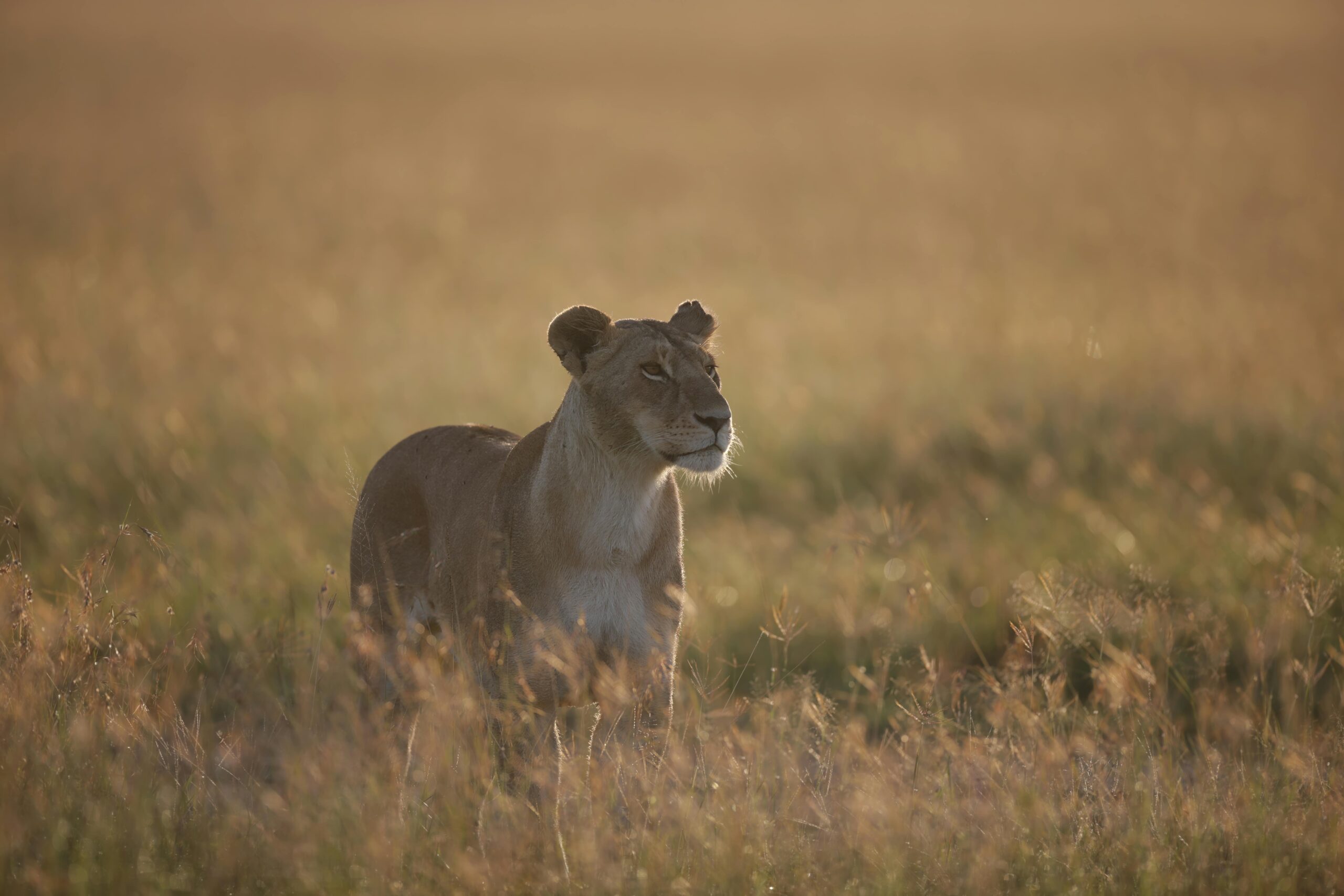
This area comes alive during the migration season, especially when massive herds of wildebeest and zebras arrive to calve. The openness of Ndutu makes wildlife viewing intimate and intense. Predators don’t hide here lions, cheetahs, leopards, and hyenas are frequently seen hunting across the plains, making Ndutu one of the most action packed safari destinations when it’s in season.
Ndutu feels untamed and honest. There are fewer vehicles, fewer rules, and a stronger sense of wilderness compared to busier parks. Off-road driving is permitted in many areas, which allows guides to follow wildlife naturally and ethically. When Ndutu is at its peak, it delivers some of the most emotional safari moments in East Africa.
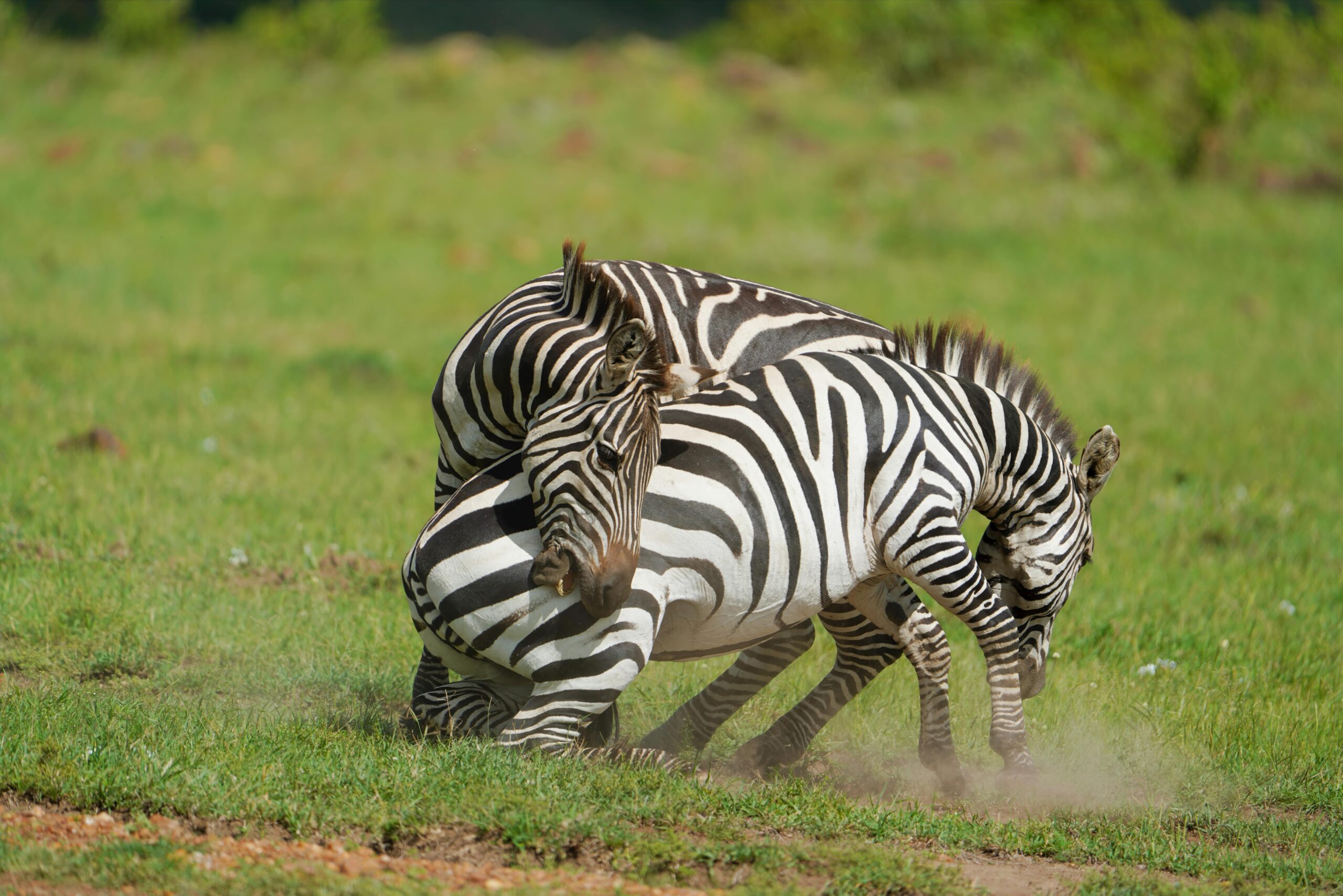
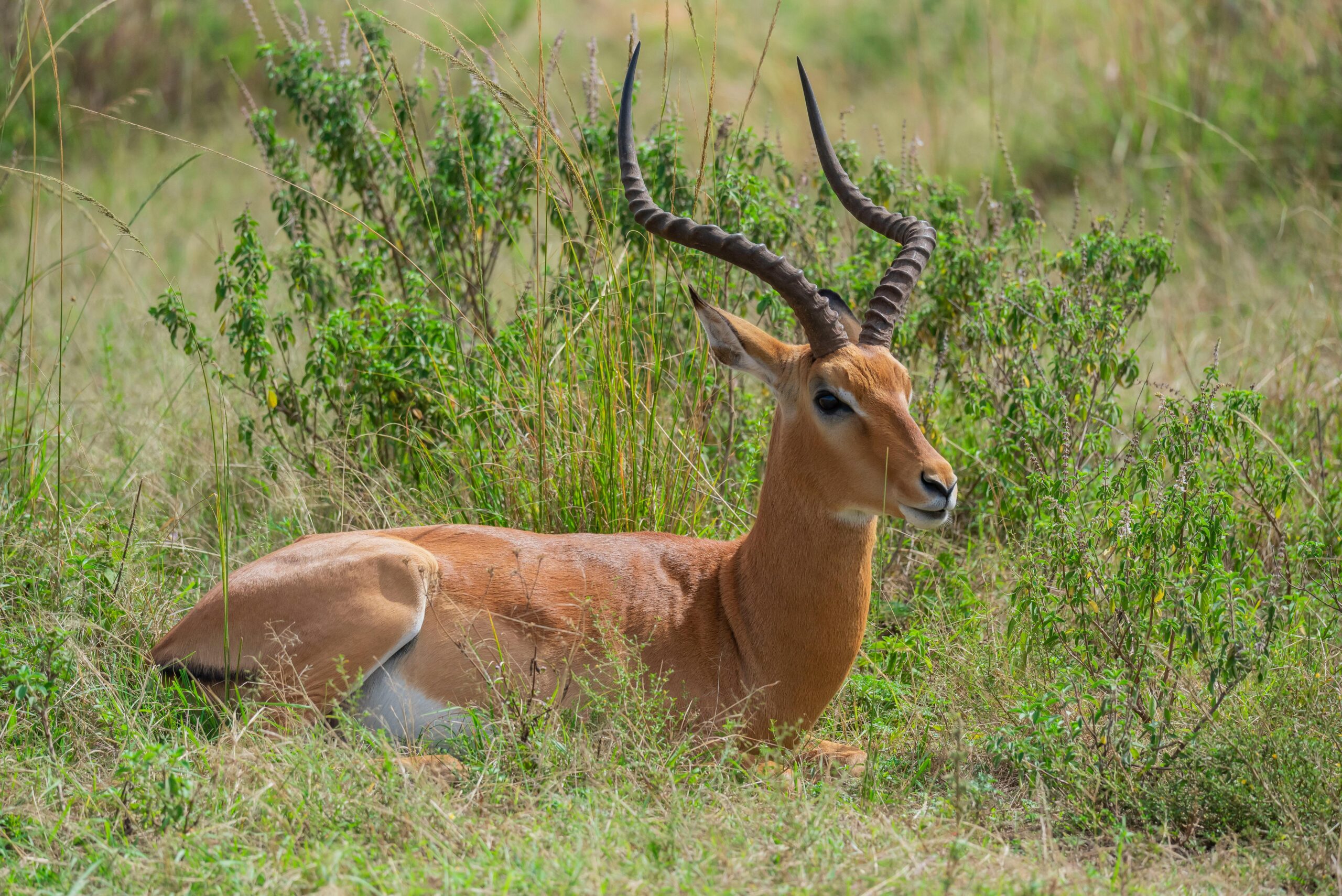
From January to March, Ndutu becomes the heart of the Great Migration’s calving season. Hundreds of thousands of wildebeest give birth within a short window, flooding the plains with newborn life. This abundance draws predators, creating dramatic, fast paced wildlife interactions that are both intense and deeply moving.
Calving season isn’t just about numbers, it’s about survival in real time. Watching a newborn take its first steps while predators circle nearby is raw, unscripted nature. This period is ideal for travelers who want high density wildlife, predator action, and fewer crowds compared to peak river crossing months.
The best time to visit Ndutu is from January to March, when the migration herds are present and calving is in full swing. Wildlife density is at its highest, and the plains are alive with movement, sound, and energy.
Outside the migration window, Ndutu remains quiet and scenic but with reduced wildlife activity. From April to December, animal movement shifts north, and Ndutu becomes more about atmosphere and solitude than high action game viewing.
Ready to start your unforgettable safari adventure? Reach out and let’s plan your dream trip.
Ndutu falls within the Ngorongoro Conservation Area, so standard Ngorongoro entry fees apply. Fees are charged per person, per day and contribute to conservation, community livelihoods, and ecosystem protection.
| Visitor Type | Entry Fee (per day) |
|---|---|
| Adult Tanzanian Citizen | TZS 10,000 |
| Child Tanzanian Citizen | TZS 2,000 |
| Adult EAC Resident | USD 30 |
| Child EAC Resident | USD 10 |
| Adult International | USD 60 |
| Child International | USD 20 |
Note: Fees do not include accommodation, guided activities, or transport. Off-road driving rules are subject to area regulations.
Have a question or in need of a quote? Reach out below
© Horizon Nest Travels 2026 All right reserved.