

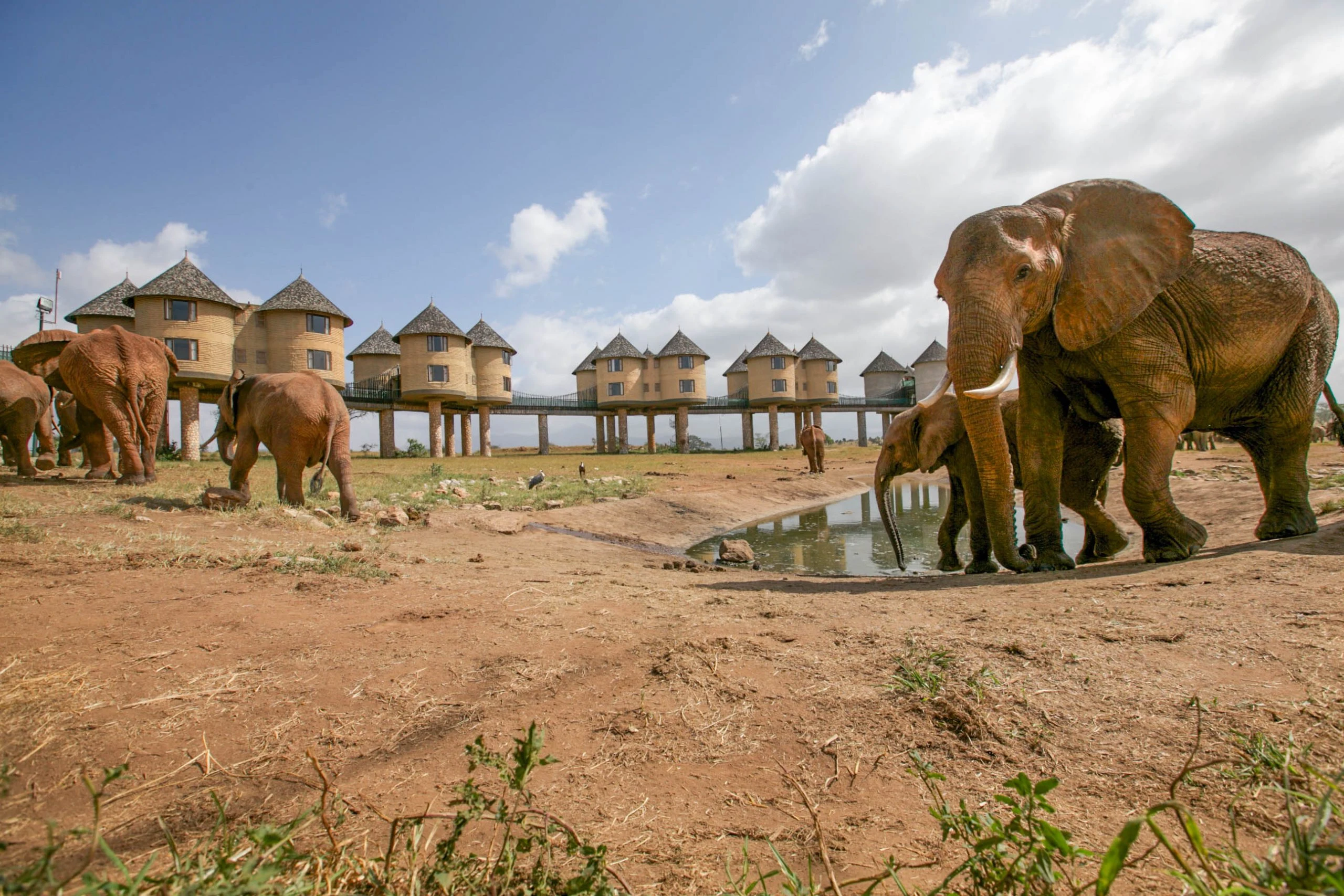
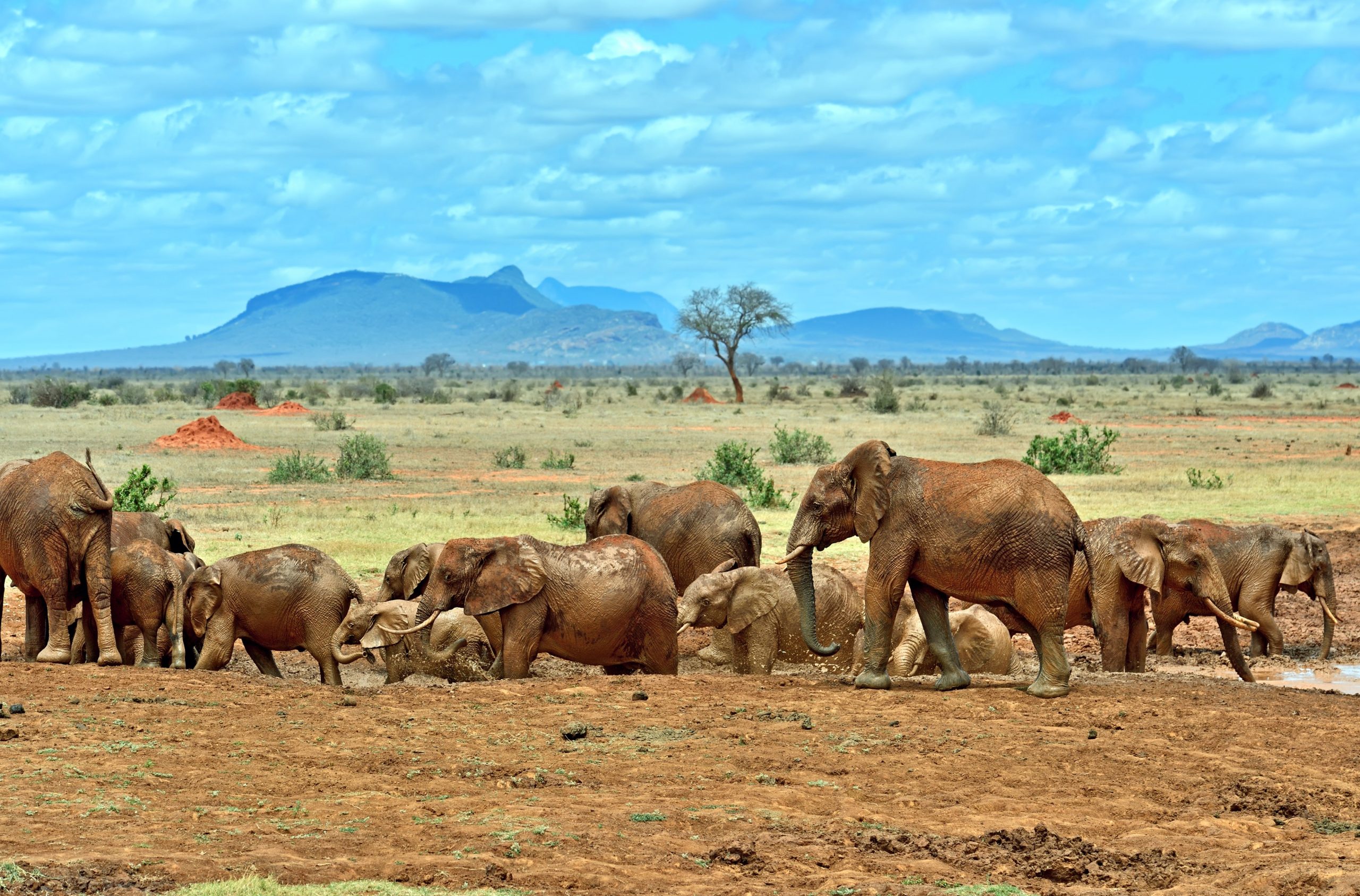
Tsavo National Park is where Africa’s wilderness feels limitless. Sprawling across over 20,000 square kilometers, it’s one of the largest parks on the continent, divided into Tsavo East and Tsavo West, each with its own personality. Tsavo East stretches endlessly with dusty plains dotted with acacia trees, herds of elephants, and iconic red-soil landscapes that glow under the African sun. In contrast, Tsavo West is more dramatic, craggy hills, volcanic rock formations, and the lush Mzima Springs, where hippos and crocodiles lounge in crystal clear waters.
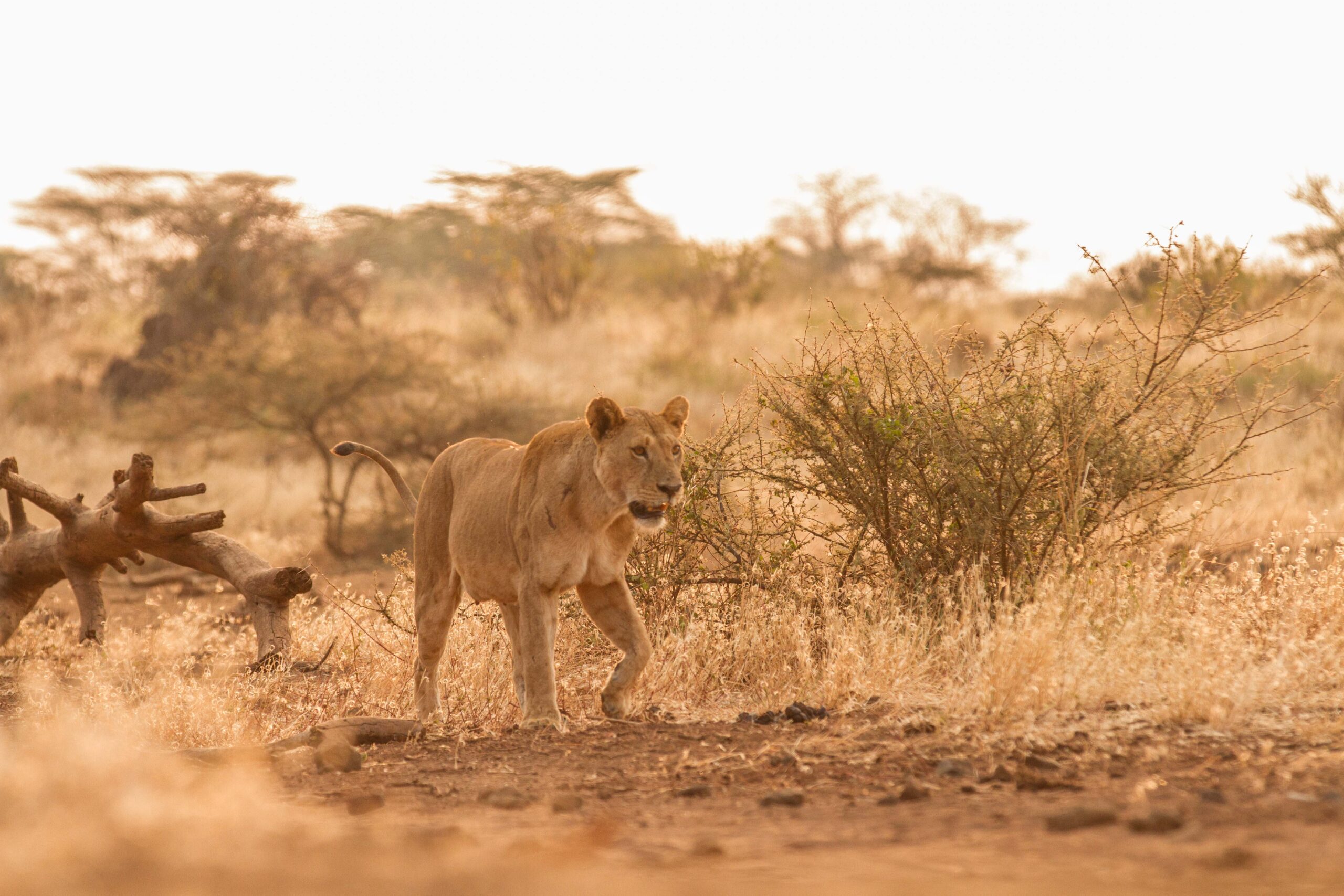
Visiting Tsavo isn’t just about spotting wildlife, it’s a sensory experience. Imagine the rumble of elephants walking nearby, the sudden call of a lion echoing across the plains, and the sight of massive herds of zebras and wildebeest moving together in rhythm with the land. Each game drive feels intimate yet epic, a reminder that this is a place where nature writes its own story without scripts or fences.
Tsavo also feels alive in unexpected ways. Baobab trees twist like ancient sentinels, flocks of colorful birds paint the skies, and hidden waterholes create pockets of life in the vast savannah. Whether it’s your first safari or your tenth, Tsavo surprises with moments that are both raw and magical, a park that doesn’t just show Africa, it lets you feel Africa.
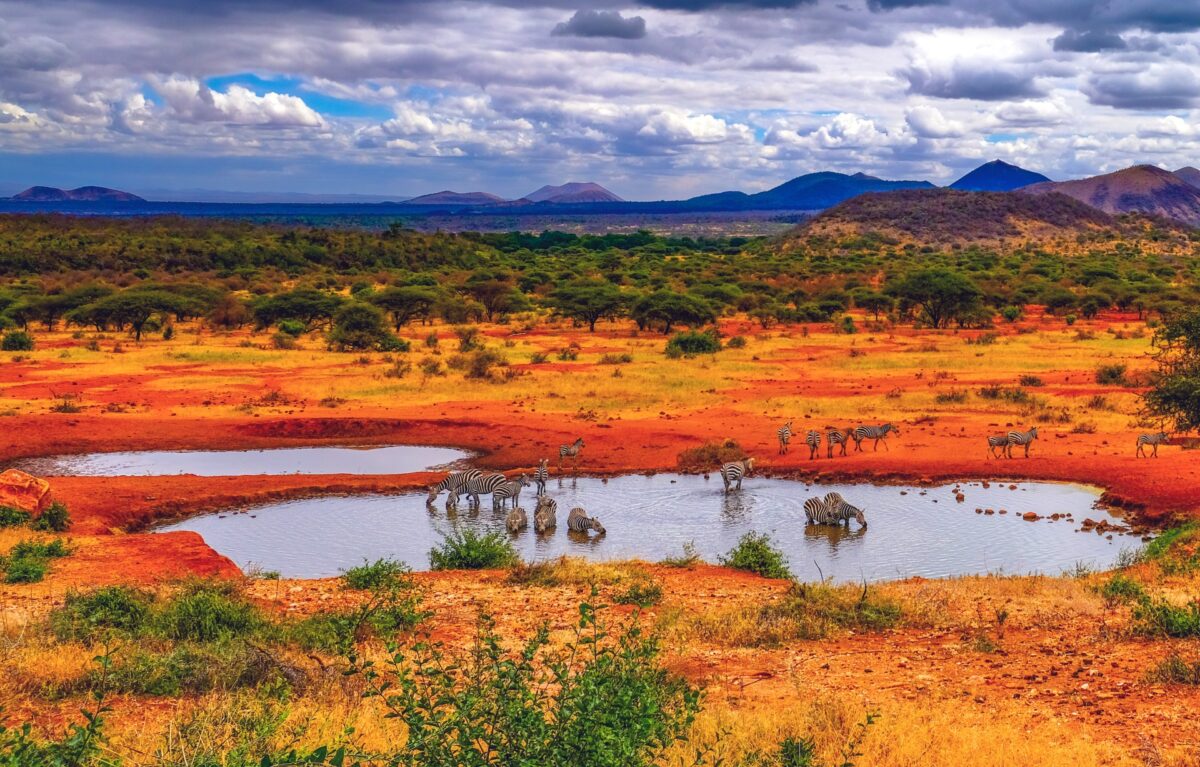
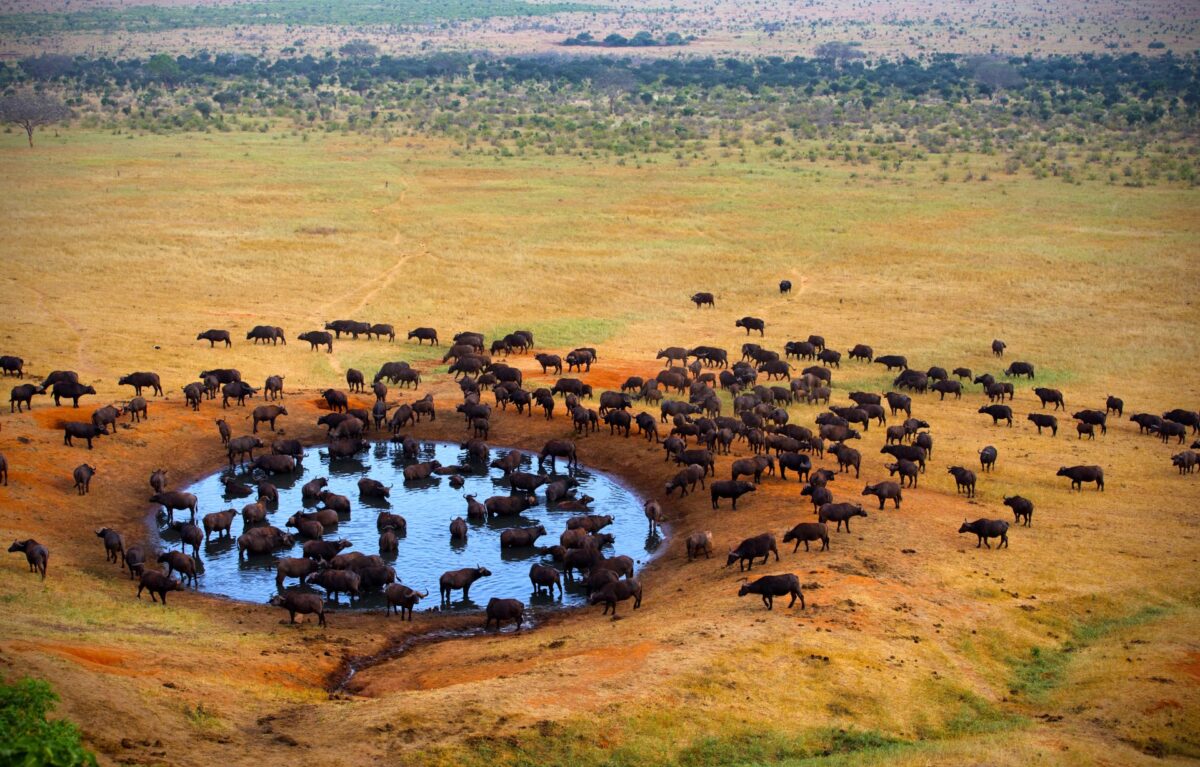
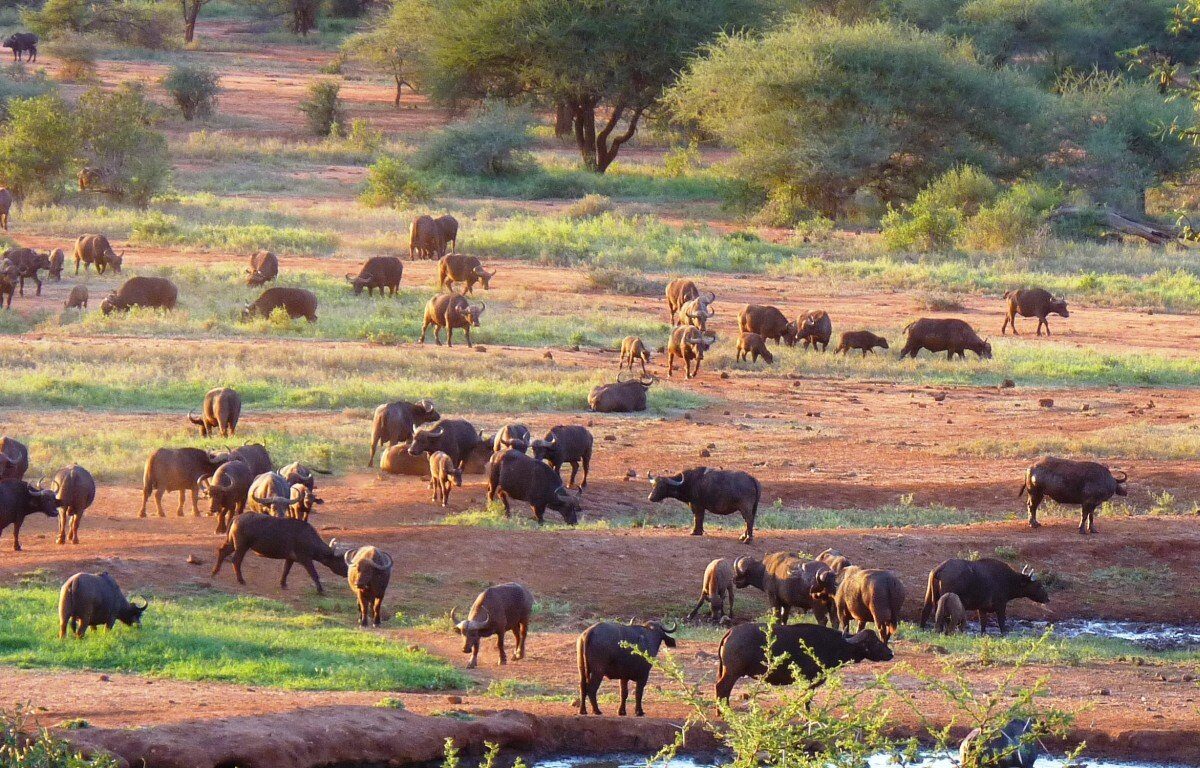
The dry season from June to October is the best time for wildlife viewing. Animals congregate around water sources, making sightings more predictable, and roads are easier to navigate, especially in Tsavo East’s vast plains. This period is also ideal for photography, with golden light and clear skies framing the iconic landscapes.
The wet season from November to May transforms Tsavo into a green wonderland. Rainfall brings lush vegetation, migratory birds, and fewer tourists. While some tracks may become challenging, the landscape bursts with color, and the experience feels intimate and off-the-beaten-path. Both seasons offer their own magic, depending on whether you prefer the classic dry season safari or the vibrant, quieter wet-season experience.
Ready to start your unforgettable safari adventure? Reach out and let’s plan your dream trip.
Before entering Tsavo, it’s important to plan for park fees, which help maintain the reserves, support wildlife conservation, and fund the rangers who protect this incredible ecosystem. Fees vary depending on visitor type, park section, and vehicle, and they ensure that every safari contributes directly to keeping Tsavo wild and thriving. Whether you’re visiting for a single day, an extended stay, or multiple drives across East and West, understanding these fees helps you prepare and make the most of your adventure.
| Visitor Type | Tsavo East Fee (per day) | Tsavo West Fee (per day) |
|---|---|---|
| Adult Kenyan Citizen | KES 1,000 | KES 1,500 |
| Child Kenyan Citizen | KES 500 | KES 750 |
| Adult International | $50 | $60 |
| Child International | $30 | $40 |
| Vehicle Entry | KES 2,000 | KES 2,500 |
| Guide / Driver | KES 2,000 | KES 2,500 |
Note: Fees cover park entry only and do not include accommodation, safari vehicles, or camping costs.
Have a question or in need of a quote? Reach out below
© Horizon Nest Travels 2026 All right reserved.