

Ngorongoro is one of those places that makes you go quiet without trying. Formed from a collapsed volcanic caldera, the Ngorongoro Crater is the world’s largest intact volcanic caldera and one of the most densely populated wildlife areas on Earth. From the rim, the view drops into a natural amphitheater of grasslands, forests, lakes, and swamps, all holding life in perfect balance.
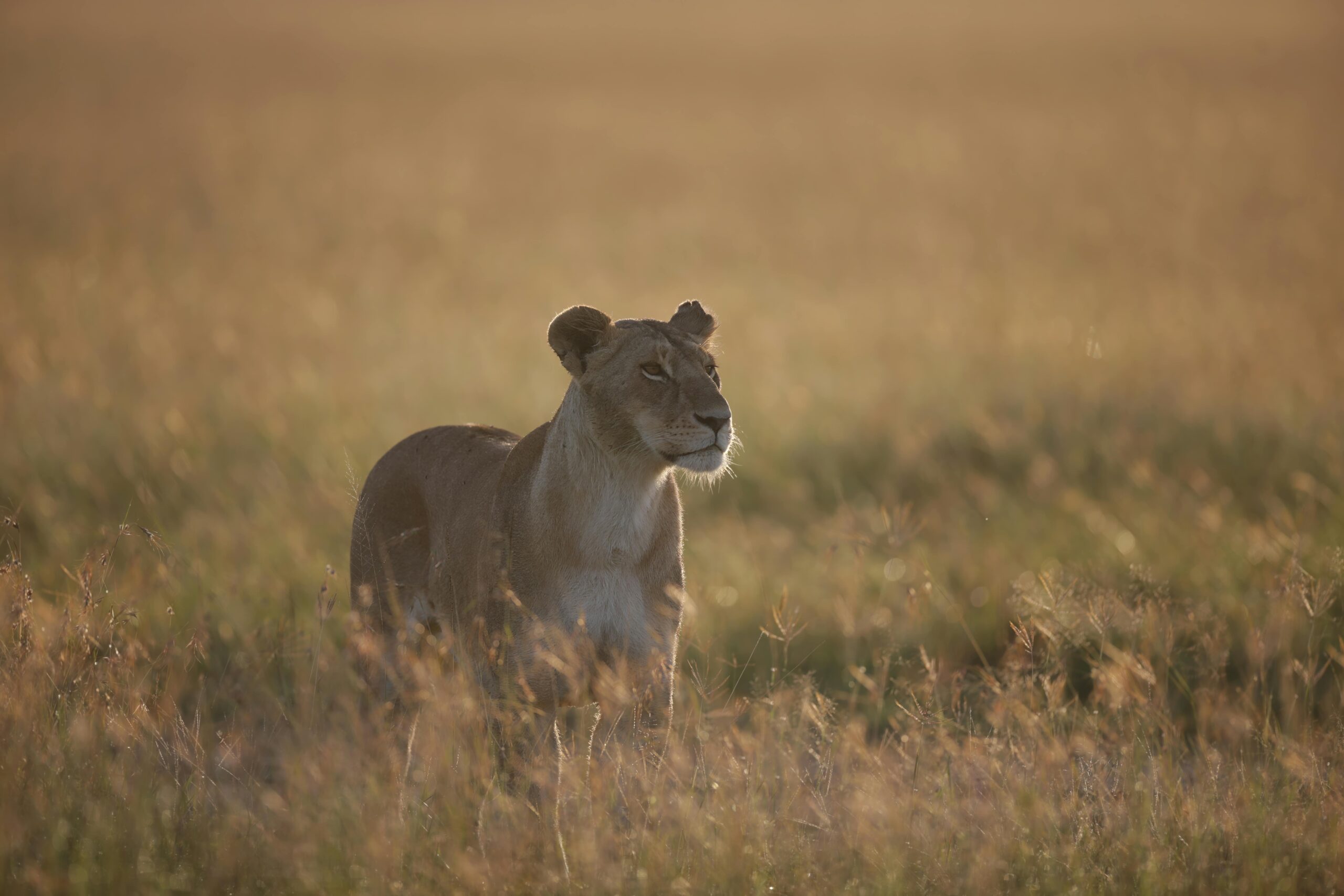
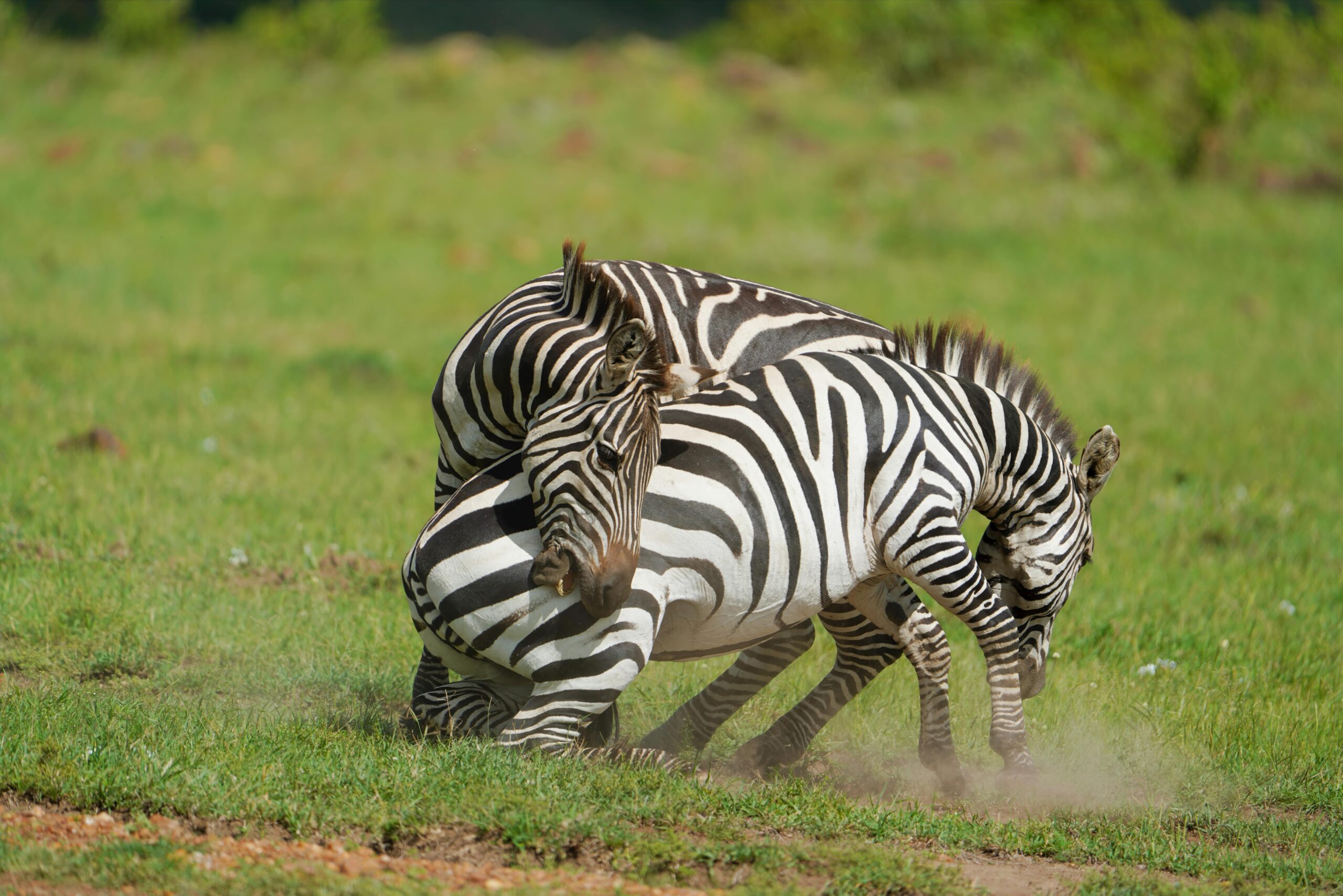
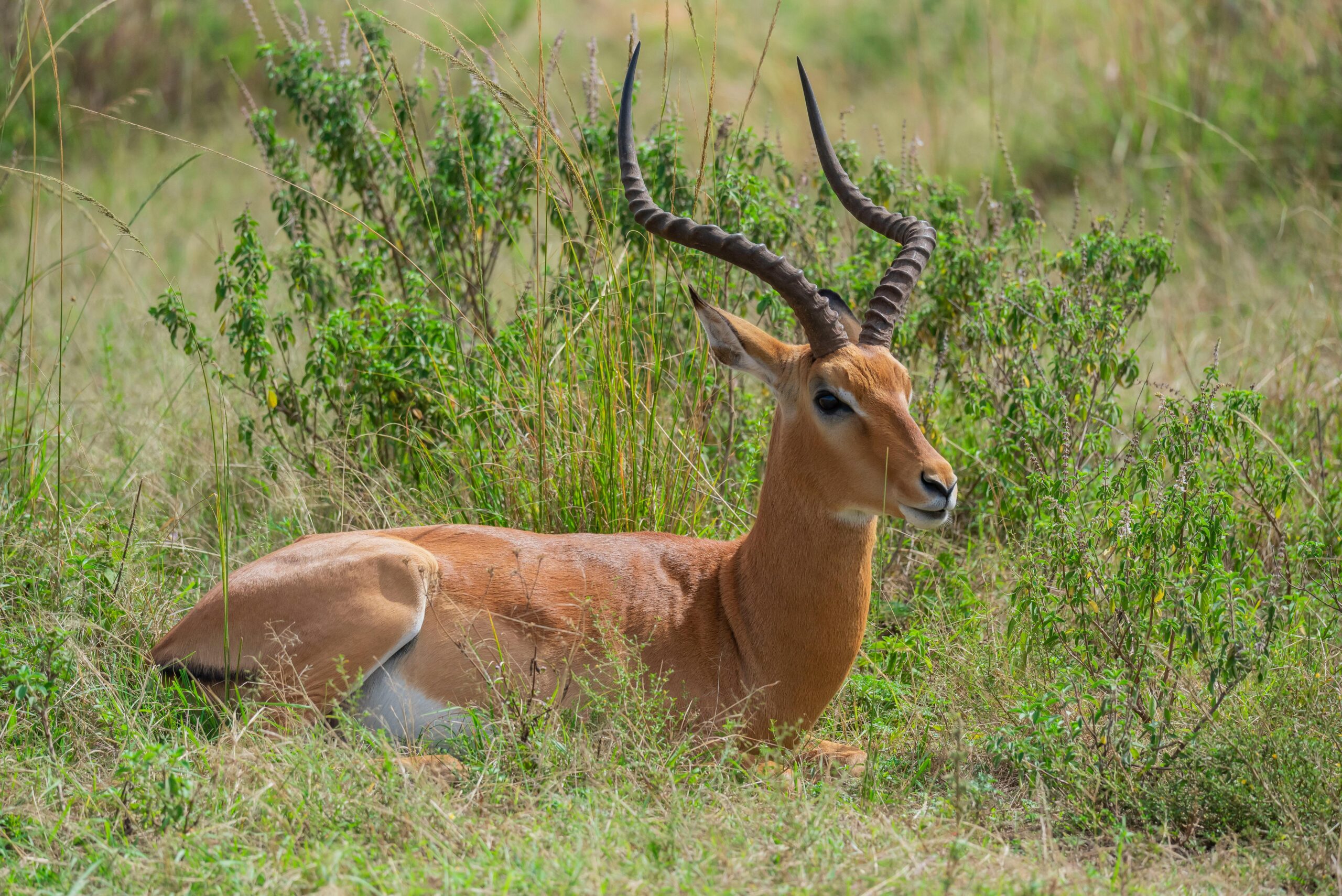
The crater floor is home to an extraordinary concentration of wildlife, including lions, elephants, buffalo, hippos, hyenas, and one of the best chances in Africa to see the endangered black rhino. Because animals rarely migrate out of the crater, sightings are frequent and close, making every drive feel rich and complete. It’s safari efficiency without losing the magic.
Ngorongoro is also a place where humans and wildlife coexist. Maasai communities live within the conservation area, continuing traditional pastoral lifestyles that have existed here for centuries. This shared landscape adds depth and meaning to the experience, reminding you that conservation isn’t about fences, but about balance, respect, and continuity.
Ngorongoro is a year round destination, with wildlife present throughout the year due to permanent water sources inside the crater. The dry season from June to October offers clearer skies, easier driving conditions, and excellent visibility for game viewing and photography.
The green season from November to May brings lush scenery and fewer crowds. While there may be occasional rains, the crater remains highly rewarding, and the surrounding highlands take on a dramatic, almost mythical atmosphere.
Ready to start your unforgettable safari adventure? Reach out and let’s plan your dream trip.
Entry fees support conservation efforts, community programs, and wildlife protection across the conservation area. Fees are charged per person, per day, with additional charges for crater descent.
| Visitor Type | Entry Fee (per day) |
|---|---|
| Adult Tanzanian Citizen | TZS 10,000 |
| Child Tanzanian Citizen | TZS 2,000 |
| Adult EAC Resident | USD 30 |
| Child EAC Resident | USD 10 |
| Adult International | USD 60 |
| Child International | USD 20 |
| Crater Service Fee | USD 250 per vehicle |
Note: Entry fees and crater service fees are separate. Accommodation, guided activities, and transport are not included.
Have a question or in need of a quote? Reach out below
© Horizon Nest Travels 2026 All right reserved.