
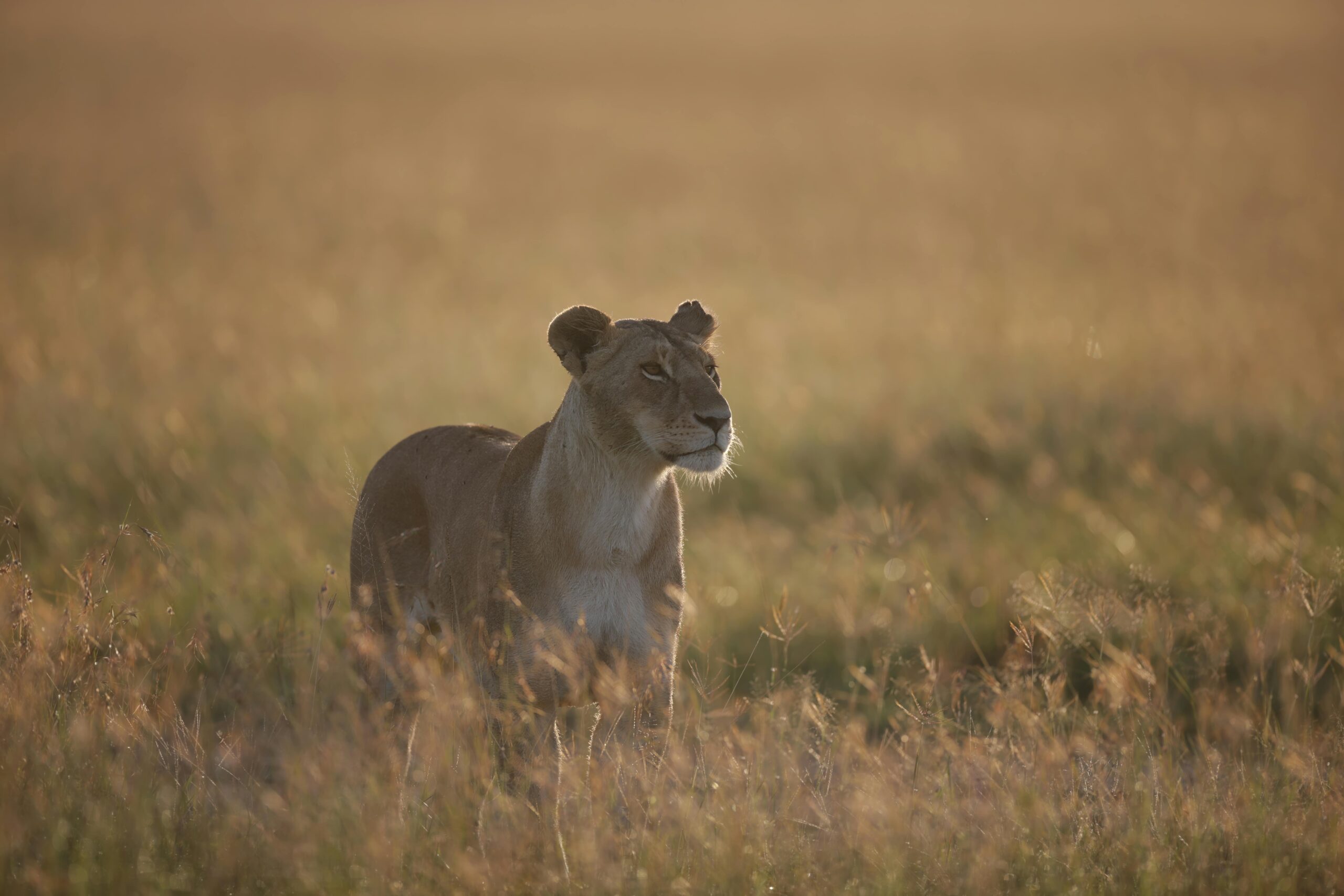
The Serengeti is pure safari magic, vast, open, and endlessly mesmerizing. Stretching across northern Tanzania, this iconic park is defined by sweeping savannahs, acacia studded plains, and horizons that seem to go on forever. Every safari here feels epic, whether you’re tracking lions lazing under the sun, watching elephants march across golden grasslands, or spotting cheetahs in full sprint. The Serengeti isn’t just a park, it’s an experience that makes you feel small, alive, and deeply connected to the rhythm of the wild.
The park is also incredibly diverse. From the northern Serengeti’s dramatic Kopjes, rocky outcrops that provide perfect lookout points, to the southern grasslands around Ndutu, where predators and prey play out some of nature’s most intense dramas, each area has its own personality. Small rivers, acacia groves, and occasional swamps create microhabitats that support an abundance of wildlife, giving travelers a chance to see both the Big Five and rarer species in one safari.
Visiting the Serengeti feels like stepping into a living documentary. Every drive, sunrise, and sunset brings a new surprise: flocks of colorful birds, herds of wildebeest moving like liquid across the plains, and moments of raw predator prey action that leave you holding your breath. It’s a park that demands presence, it’s immersive, unfiltered, and unforgettable.
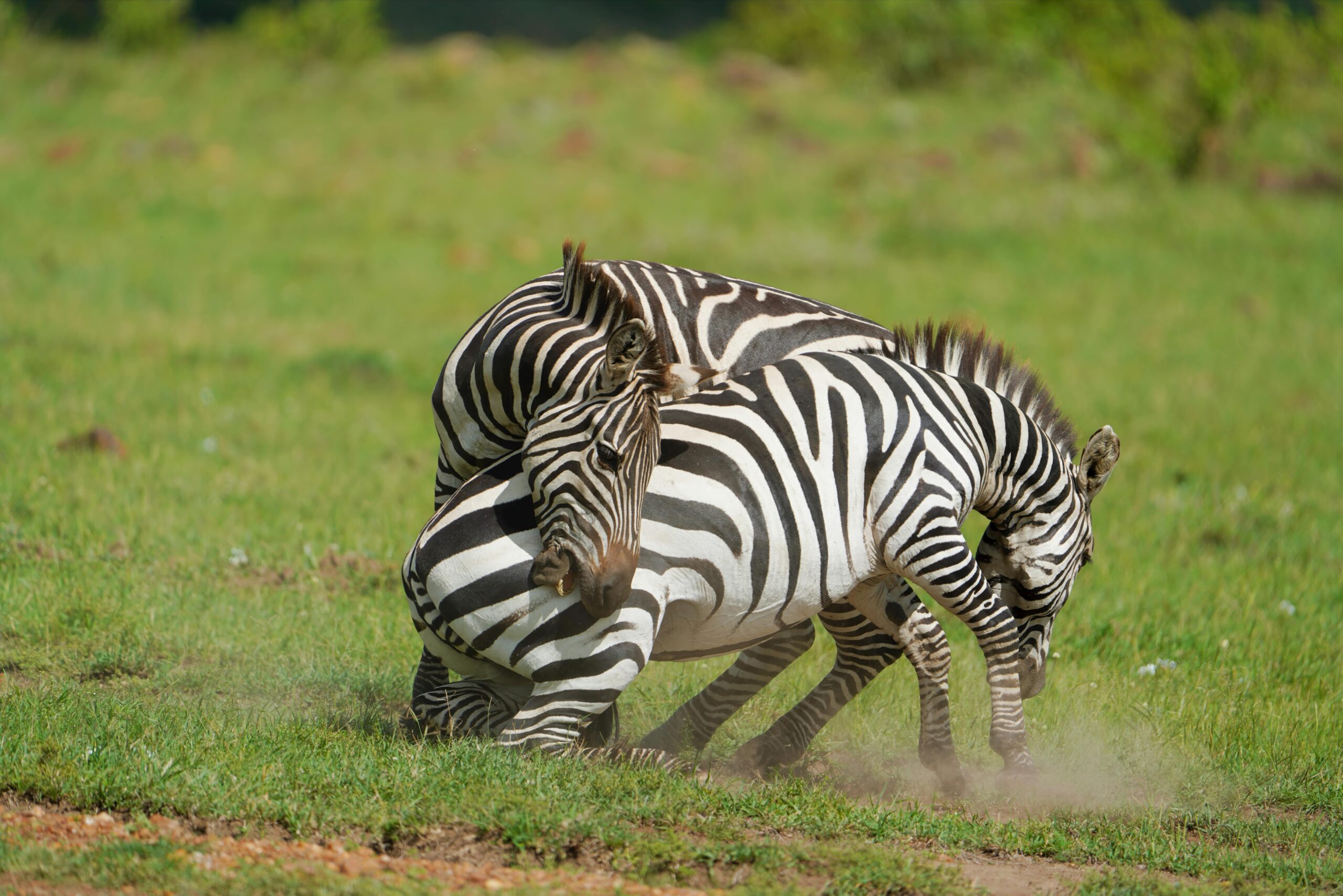
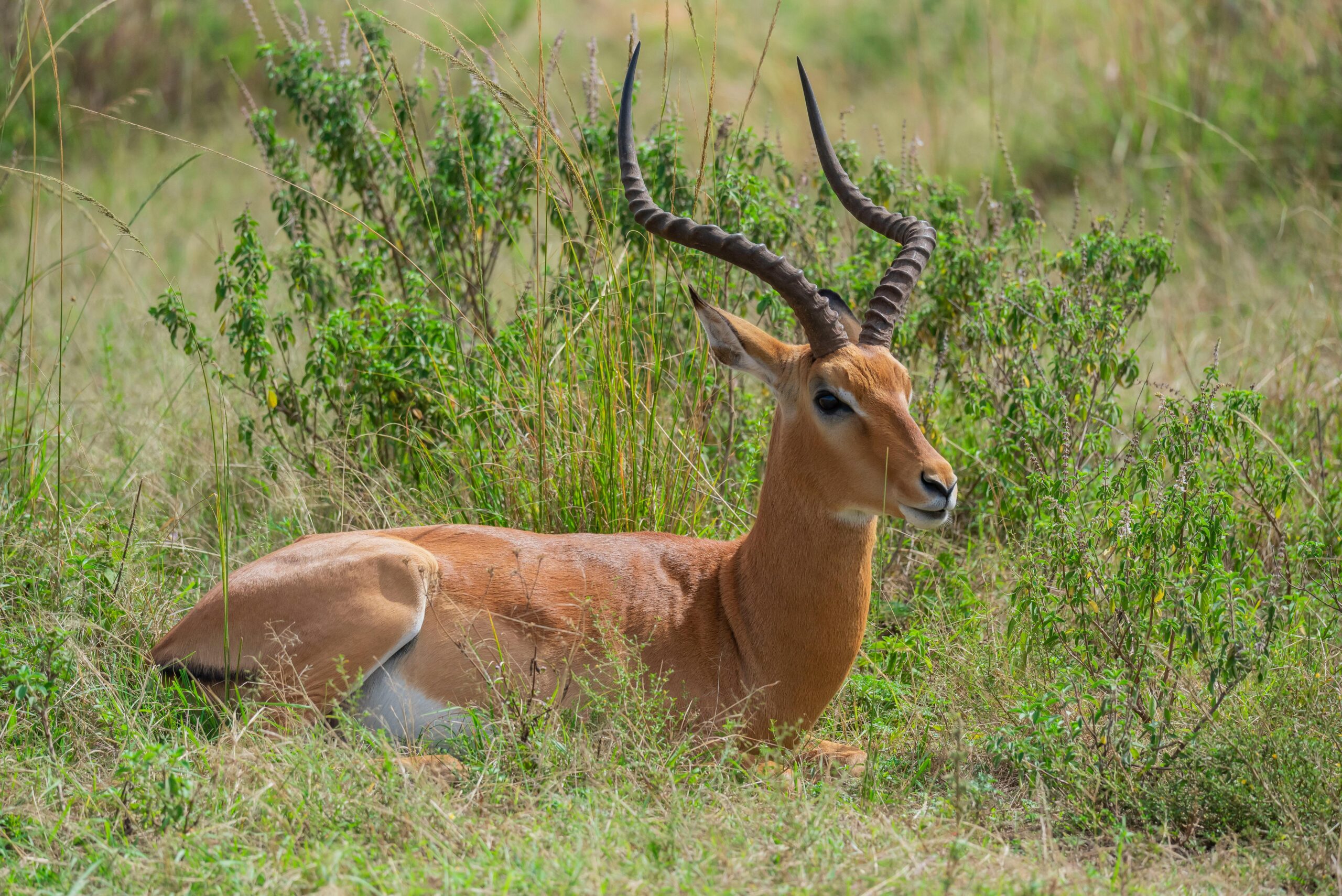
The Serengeti is most famous for the Great Migration, a natural spectacle like no other. Every year, over a million wildebeest, along with hundreds of thousands of zebras and gazelles, traverse the plains in search of fresh grazing. This journey is both perilous and mesmerizing, with river crossings, predator encounters, and relentless movement across the grasslands creating a living, moving ecosystem that feels almost mythical.
The migration follows a seasonal rhythm: from December to March, herds calve in the southern Serengeti and Ndutu, creating dramatic scenes with predators in close pursuit. From April to May, they move northward as rains shift grazing patterns, eventually reaching the western corridor and northern Serengeti between June and October. Visitors during this time can witness the iconic Mara River crossings, a breathtaking mix of adrenaline, survival, and nature’s grandeur.
The dry season from June to October is ideal for classic safari experiences and the most dramatic migration viewing, including the famous river crossings. Wildlife congregates around water sources, making game drives highly productive and predictable.
The wet season from November to May brings lush landscapes, fewer crowds, and the calving season in the southern Serengeti, which offers incredible predator-prey interactions for those seeking action and wildlife photography. Both seasons are remarkable, offering very different but equally unforgettable experiences.
Ready to start your unforgettable safari adventure? Reach out and let’s plan your dream trip.
Before visiting, it’s good to know that park fees help support wildlife conservation and the rangers who protect the Serengeti. Fees vary by visitor type and season, and they contribute directly to preserving this legendary ecosystem.
| Visitor Type | Fee (per day) |
|---|---|
| Adult Tanzanian / EAC Citizen | TZS 6,000 |
| Child Tanzanian / EAC Citizen | TZS 3,000 |
| Adult International | $60 |
| Child International | $30 |
| Vehicle Entry | $20 |
| Guide / Driver | $20 |
Note: Fees cover park entry only and do not include accommodation, safari vehicles, or guides unless specified.
Have a question or in need of a quote? Reach out below
© Horizon Nest Travels 2026 All right reserved.